Advanced Electronic Trading Growth in Modern Markets


In the current growing financial landscape, traders are increasingly concentrating on advanced platforms that deliver speed, reliability, and diagnostic depth. With growing demand for digital trading answers across global markets, accessibility and performance quality have grown to be important efficiency indicators. Modern trading situations now prioritize real-time information, flexible planning programs, and chance administration instruments that help both novices and experienced investors. In this context, the forex trading is developing interest for offering a streamlined screen and integrated trading functionalities made to boost decision-making efficiency. Their structured approach helps customers analyze industry activities and accomplish trades with improved confidence, rendering it a applicable selection in recent trading tendencies worldwide.
Market Data and Performance Insights
Recent market data show that online trading participation has improved somewhat over the past several years, driven by mobile accessibility and increased web connectivity. Reports suggest that a sizable proportion of productive traders now count on electronic programs for daily performance, with real-time analytics learning to be a common requirement. Volatility in world wide areas has additionally prompted customers to embrace instruments that offer instant updates and predictive insights. Furthermore, more than half of new traders prioritize systems that provide basic dashboards and automatic checking features. These statistics spotlight an obvious change toward technology-driven trading ecosystems where effectiveness and speed play a main position in performance outcomes.
Key Characteristics and Functional Advantages
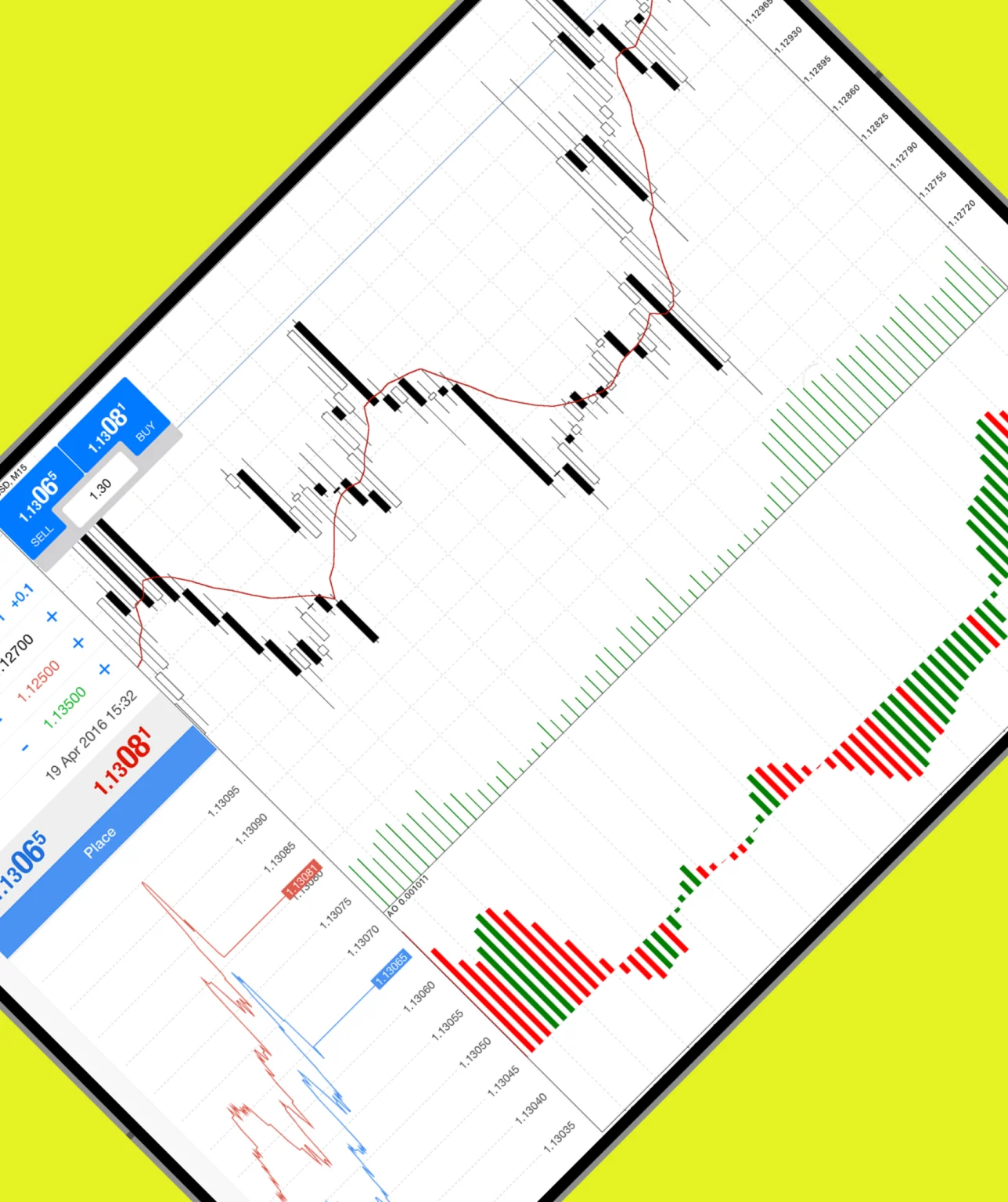
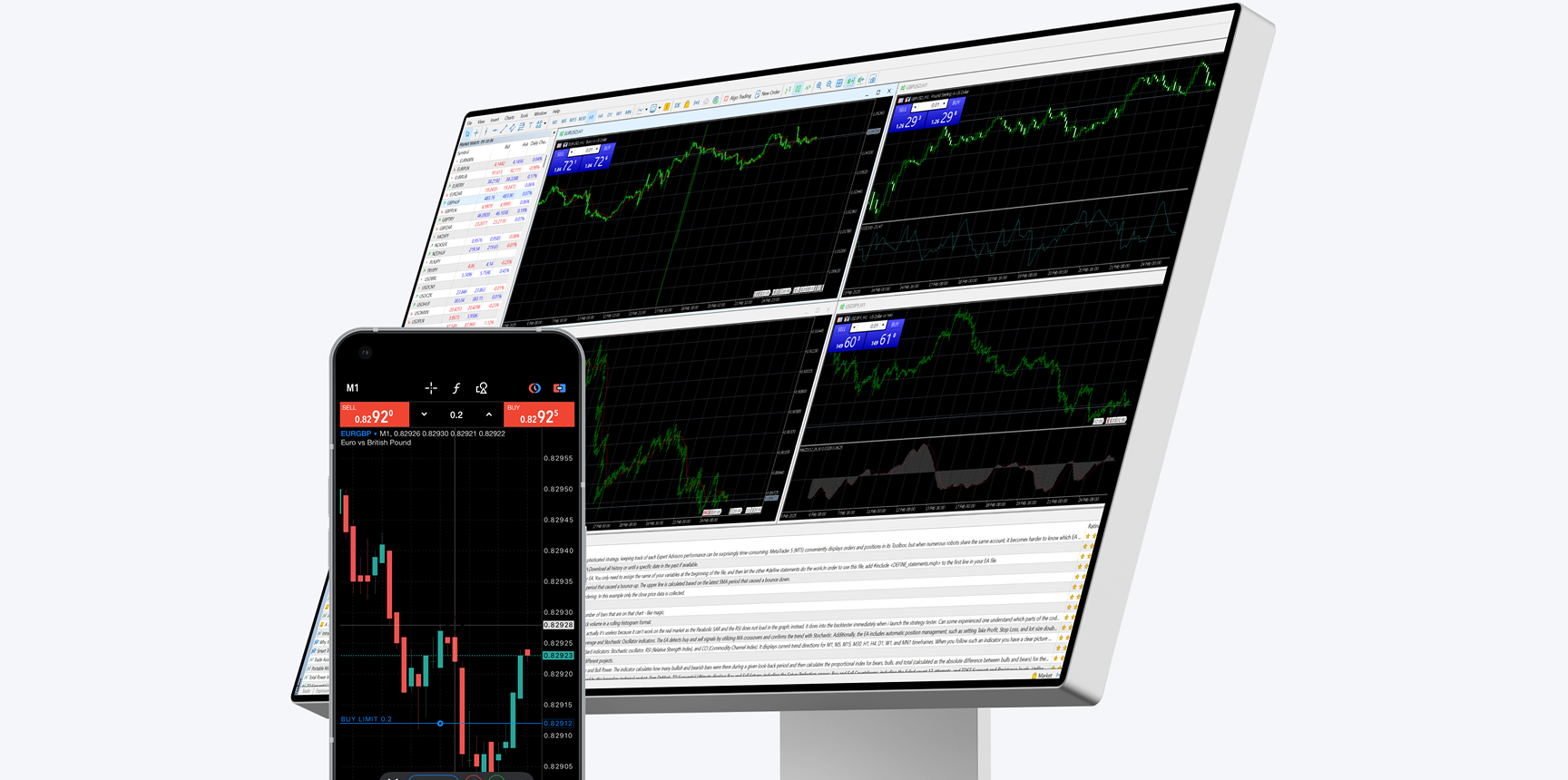
Contemporary trading tools are made to help a wide selection of financial instruments while sustaining security and speed. One of the key advantages involves advanced planning tools that support consumers recognize habits and traits with better accuracy. Integrated risk administration features let traders to create limits and reduce publicity throughout uncertain industry conditions. Additionally, multi-device compatibility ensures that people may entry their reports from desktops, pills, or smartphones without interruption. The increasing integration of synthetic intelligence-driven insights also supports greater forecasting, permitting traders to produce educated decisions based on data-backed signs rather than assumptions.
Emerging Developments in the Trading Business
The trading business continues to evolve with the integration of automation, machine understanding, and real-time analytics. One important development could be the shift toward personalized trading settings that adjust to individual consumer behavior. Yet another rising trend is the utilization of predictive modeling methods that analyze old information to outlook possible industry movements. Social trading functions may also be developing traction, enabling customers to notice and replicate strategies employed by skilled traders. As economic markets be more interconnected, tools that prioritize rate, openness, and functionality are expected to dominate future growth patterns.
Why is modern trading systems effective?
Modern platforms are powerful since they mix real-time data, sophisticated analytics, and user-friendly interfaces that simplify complicated market activities.
How important is real-time data in trading ?
Real-time information is vital because it allows traders to respond easily to market improvements, reducing risk and increasing performance accuracy.
Are trading tools suited to newcomers?
Sure, several programs are made with spontaneous interfaces and academic tools that help novices realize industry fundamentals.
What traits are shaping the future of trading ?
Automation, AI-based insights, and customized trading activities are shaping the continuing future of the, creating trading more effective and accessible.